 オフィシャル
Walking Through Nihonbashi Kabuto-cho — Following in the Footsteps of Eiichi Shibusawa
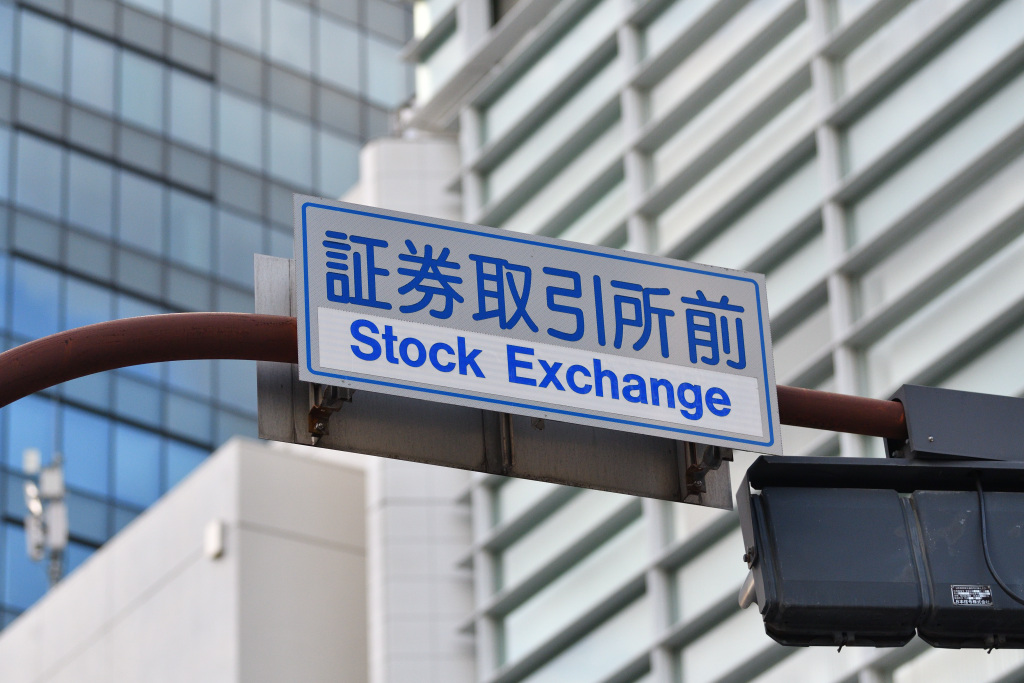
Nihonbashi Kabuto-cho, often called “Japan’s Wall Street,” is known as the financial heart of the country. Its most recognizable landmark is the Tokyo Stock Exchange, a familiar sight in the news. Walking through the district, you’ll still see many securities firms lining the streets. Once known mainly as a business district bustling with financiers, Kabuto-cho has been undergoing redevelopment in recent years. Today, it’s transforming into a lively neighborhood that attracts young people and tourists drawn by stylish restaurants and cafés. At the origin of this transformation stands one key figure — Eiichi Shibusawa, often referred to as “the father of Japanese capitalism.” In this article, we’ll trace his footsteps and explore the unique charm of Kabuto-cho.
Who Was Eiichi Shibusawa?
If you live in Japan, you probably know the name. But for visitors from abroad, it might sound unfamiliar. In fact, Eiichi Shibusawa is the face on Japan’s new 10,000-yen banknote. If you’re in Japan right now, take a look at your wallet — the gentleman depicted on that note is Shibusawa himself. Revered as “the father of Japanese capitalism,” he played a major role in shaping modern Japan’s economy, and he had deep ties to Kabuto-cho.
Tokyo Stock Exchange
When you think of Kabuto-cho, the Tokyo Stock Exchange is probably the first image that comes to mind. Its predecessor was founded in 1878, and Shibusawa was one of the key figures behind its establishment. He believed that for Japan’s economy to grow, it was essential to adopt the joint-stock company system — a mechanism for raising capital broadly from citizens — and to create a market where stocks could be freely traded. The building’s solid, heavy appearance and the word “finance” might make the place feel unapproachable at first, but anyone can actually tour the facility.
Want to see it for yourself? Check out the tours here.
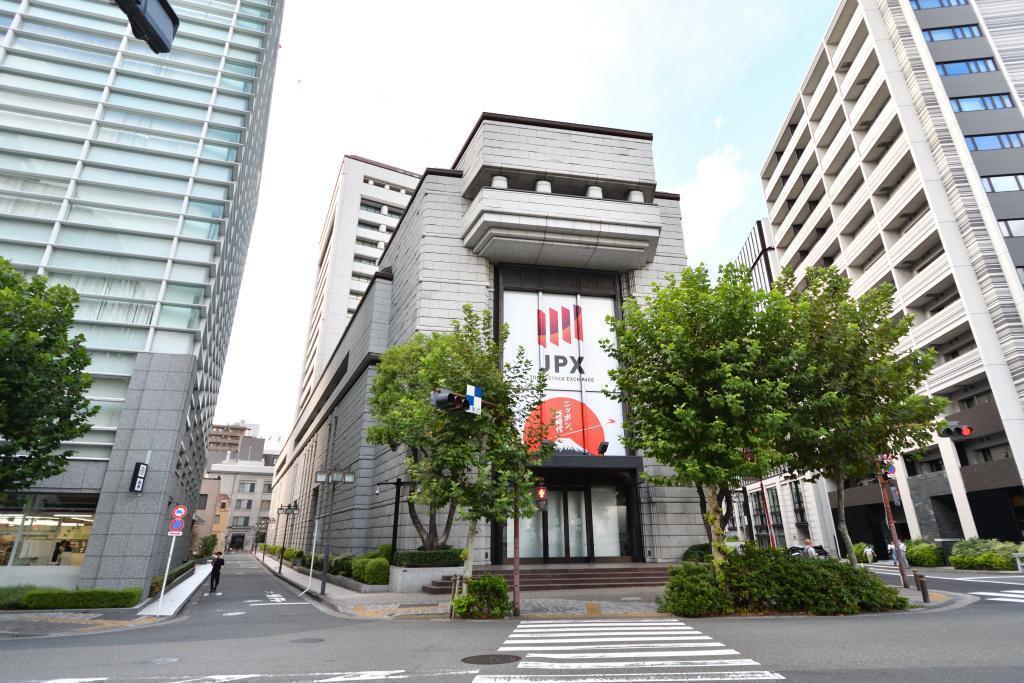
The Tokyo Stock Exchange
Nisshokan Building
Right next to the Tokyo Stock Exchange stands a historic building called Nisshokan. This site was originally the location of Shibusawa’s residence, which was unfortunately lost in the Great Kanto Earthquake of 1923. In 1928, the predecessor of the Tokyo Stock Exchange constructed the building to house multiple securities firms. It was designed by architect Tamisuke Yokogawa, who also designed the main building of Mitsukoshi Department Store in Nihonbashi. While the two buildings differ in style, they share a similar sense of architectural grandeur. Personally, I find the arched windows on the ground floor particularly beautiful. In recent years, the ground floor has been renovated and now hosts a shop selling chocolate and ice cream, among other offerings — blending historical charm with modern sensibility.
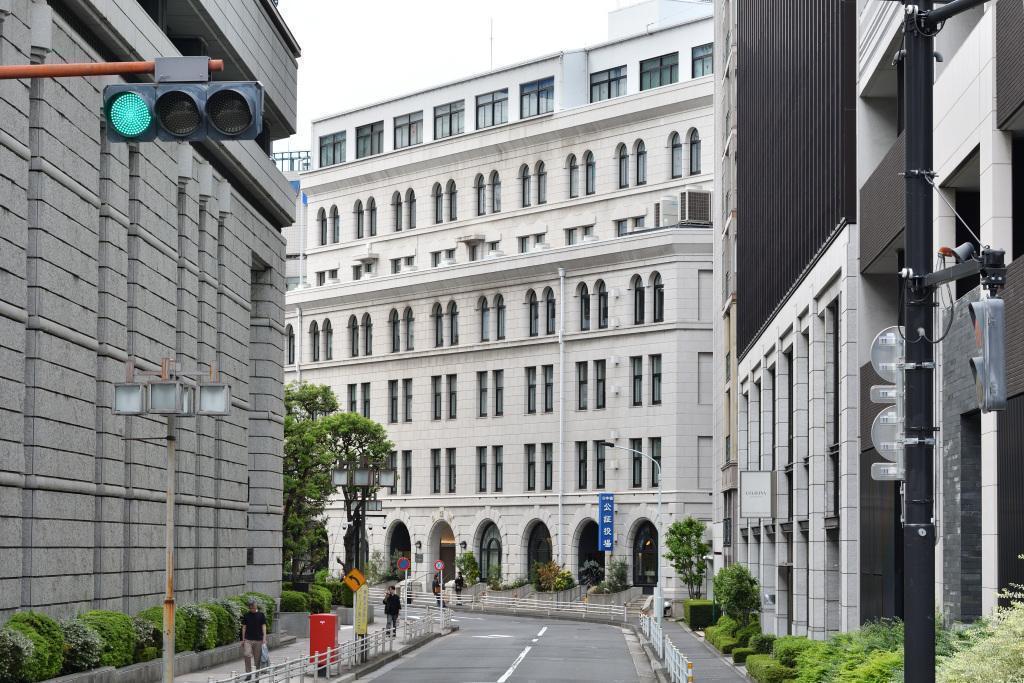
Nisshokan Building (center). On the left is the Tokyo Stock Exchange.
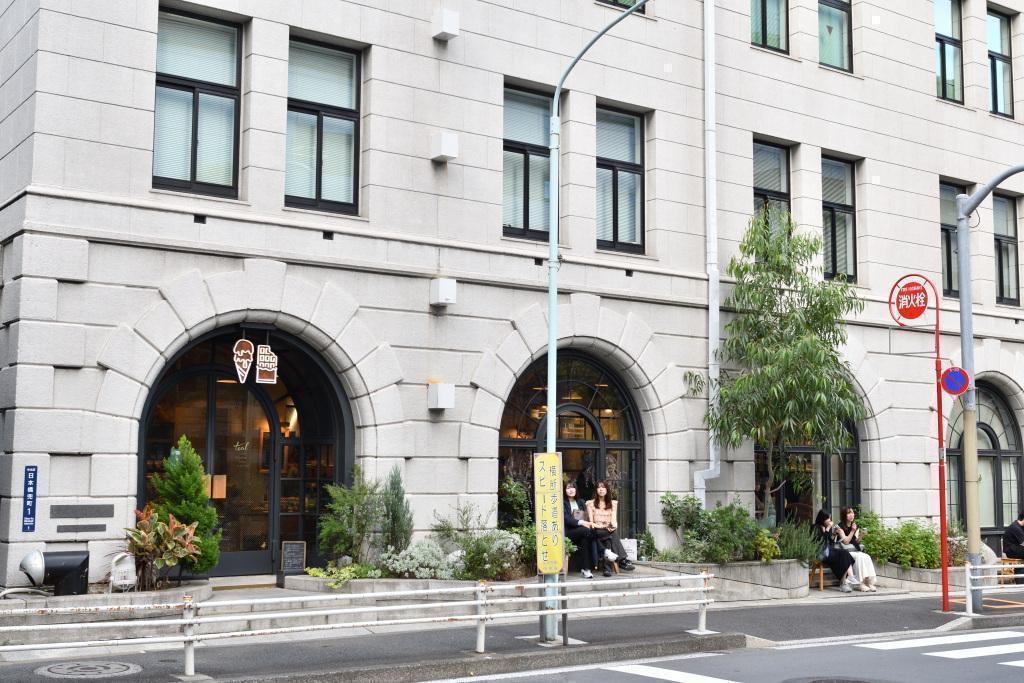
Stylish cafes and shops await on the ground floor.
Kabuto Shrine
Located just north of the Tokyo Stock Exchange and beside Nisshokan is Kabuto Shrine, known as the guardian shrine of the securities industry. Within its grounds lies a large rock called Kabuto Iwa, said to be the origin of the area’s name, Kabuto-cho. While there are no direct records of Shibusawa’s involvement with the shrine, given his deep connection to the area, it’s easy to imagine he may have visited from time to time to offer his prayers.
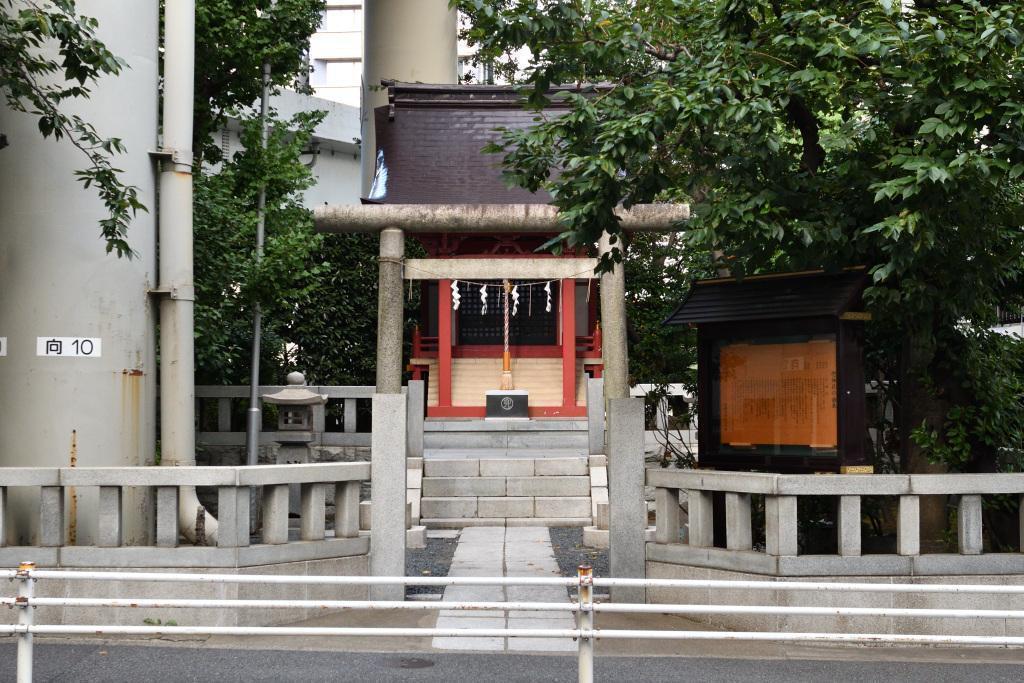
Kabuto Shrine
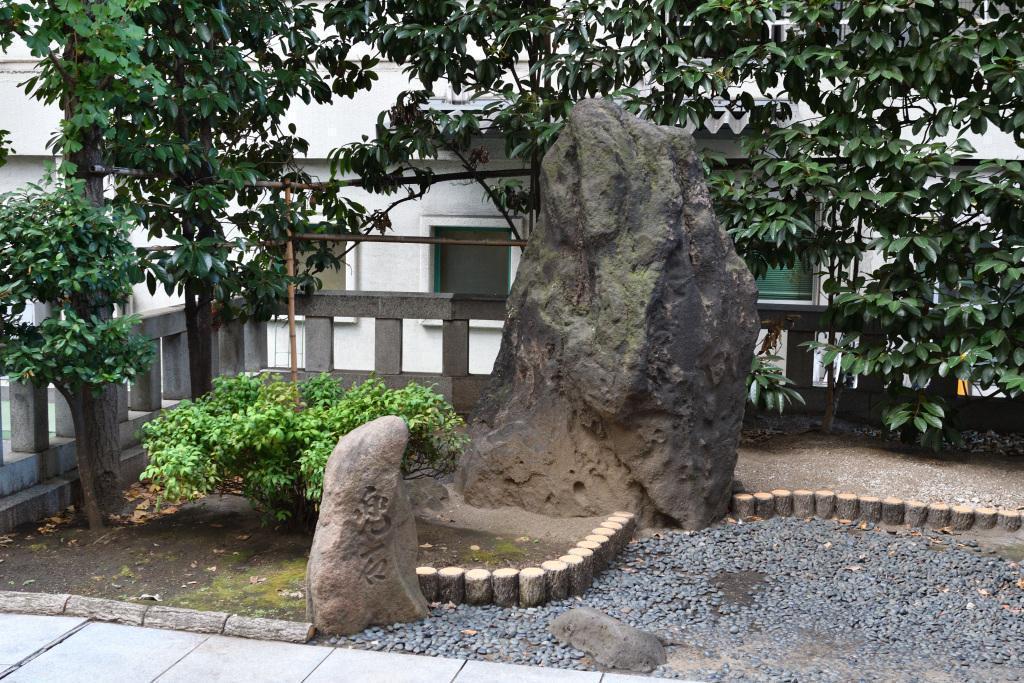
Kabuto Iwa
KABUTO ONE
Completed in 2021 as part of the area’s redevelopment, KABUTO ONE is a new landmark in Kabuto-cho. Combining offices, cafés, and event spaces, it redefines the neighborhood as a hub for not only finance but also art and culture. In the atrium on the ground floor, you’ll find a seated statue of Eiichi Shibusawa — and if you sit beside it, you can take a photo together. The red stone from Sado Island once located at Shibusawa’s residence (and later at Nisshokan) is now displayed here, symbolizing the link between past and present. It’s a quintessential spot that captures Kabuto-cho’s blend of history and modernity.
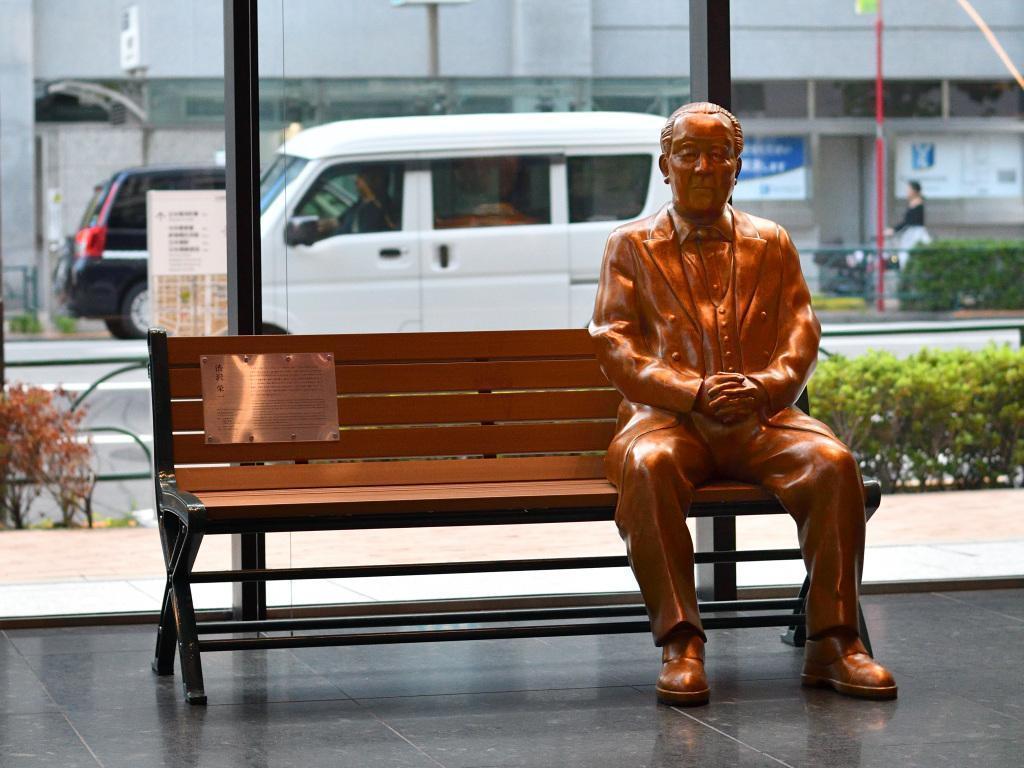
Shibusawa is waiting for you to sit next to him.
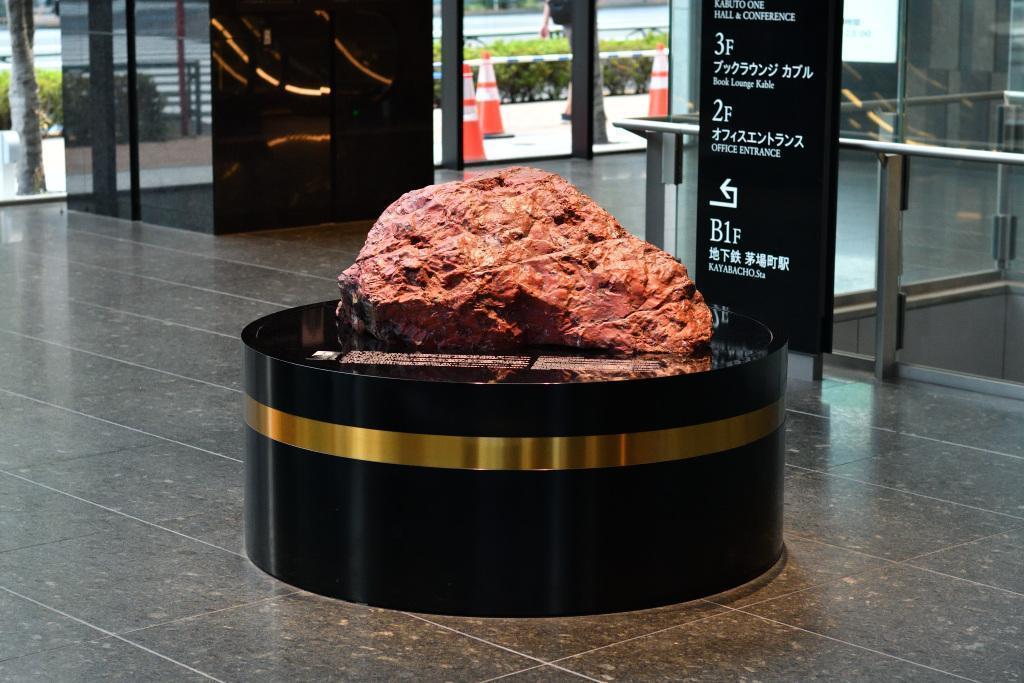
The red stone from Sado Island
Conclusion
Recently, the population of Tokyo’s Chuo Ward surpassed 190,000 — quite a leap from the 70,000 range it once fell to. Along with this growth, Kabuto-cho has also evolved, preserving its historical and financial character while embracing a new urban vibrancy. Once perceived as a stiff, business-only district, it’s now home to more cafés and restaurants, attracting people who come simply to enjoy the atmosphere. It’s just a short walk from Nihonbashi or Ningyocho, making it the perfect place for a casual stroll when you want a change of pace.